Top Folk Dances of Rajasthan: Everything You Should Know

Gadisar Lake in Jaisalmer: A Calm and Scenic Place
December 5, 2025
Tanot Mata Temple 2025: A Journey into Faith, History & Divine Serenity
December 16, 2025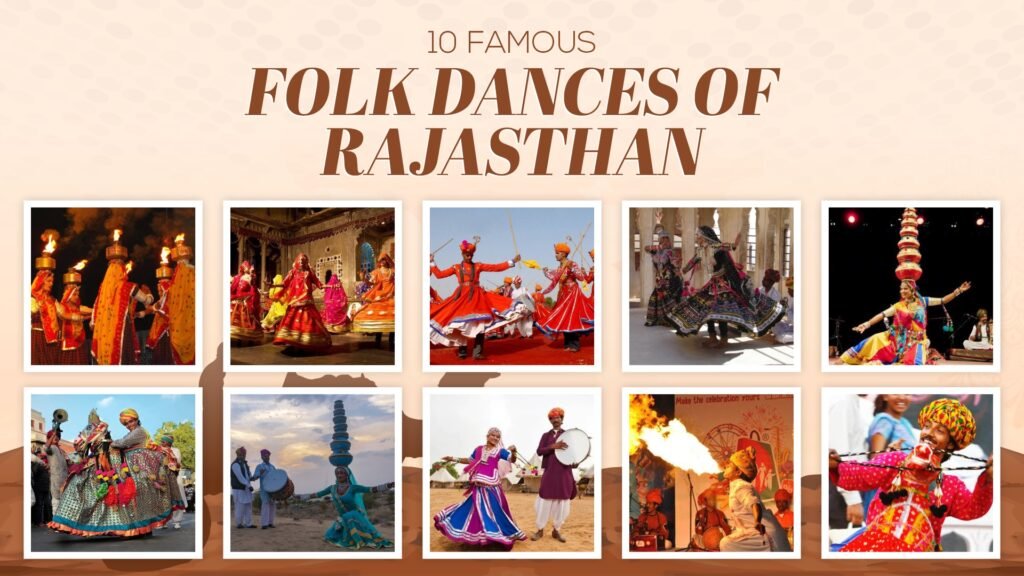
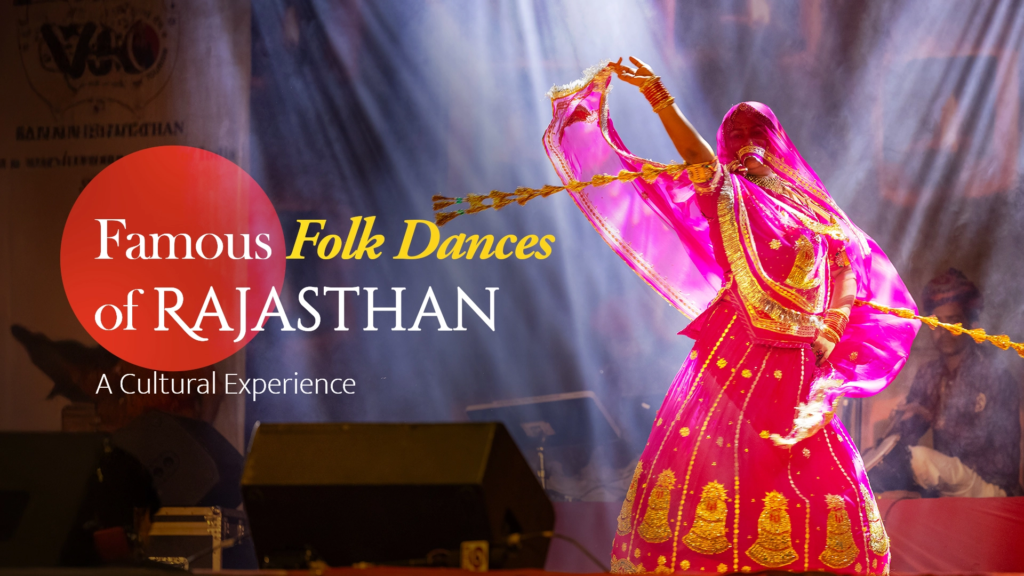
Rajasthan is a land where every celebration, ritual, and cultural moment is expressed through vibrant movements and rhythmic beats. From centuries-old traditions to festive performances, every rajasthan dance form reflects the spirit of the desert kingdom. The traditional dance of Rajasthan showcases heroic tales, devotion, and the lifestyle of local tribes. Whether performed in royal courts or village gatherings, rajasthan dance and music continue to captivate visitors from around the world. Many travelers explore these cultural gems through curated rajasthan tour packages. This guide explores the most famous folk dance of Rajasthan, revealing why they remain an essential part of dance Rajasthan culture and Rajasthan popular dance heritage.
1. Ghoomar: A Dance of Grace and Elegance
History and Origin
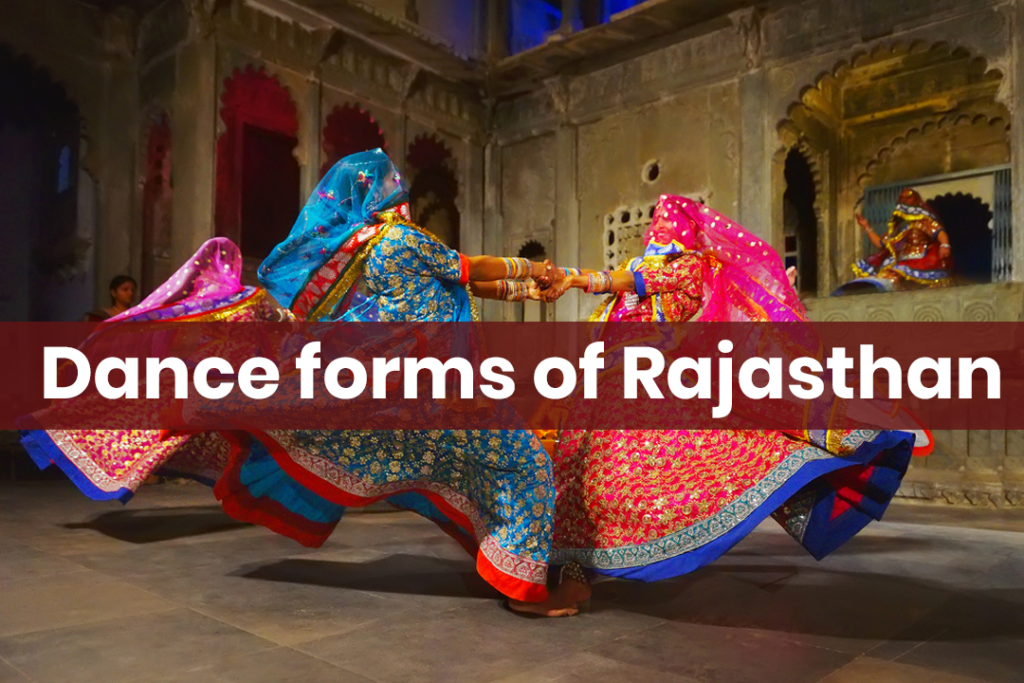
Ghoomar is one of the most famous folk dances of Rajasthan, performed traditionally by the Bhil tribe before becoming widespread among royal Rajput women. Known for its circular movements, twirls, and colorful attire, this rajasthan dance form reflects elegance and womanhood. It has deep roots in the dance Rajasthan culture, symbolizing joy, celebration, and welcoming rituals. Over time, Ghoomar became a symbol of the traditional dance of Rajasthan, often performed at weddings, festivals, and palace celebrations. Its beauty lies in the harmony of steps and the soothing rhythm of Rajasthan dance and music.
Performance Location
Ghoomar is mainly performed in Udaipur, Jaipur, Jodhpur, and rural Rajput communities. Tourists often watch this Rajasthan popular dance during cultural evenings, hotel performances, and festival programs. The dance remains an essential part of dance Rajasthan culture, often showcased during Gangaur and Teej festivals. Local women perform Ghoomar in villages as part of family celebrations. Its graceful movements make it one of the most cherished traditional dances of Rajasthan, attracting visitors eager to witness authentic Rajasthan dance and music traditions. Ghoomar continues to be the pride of Rajasthan’s popular dance heritage.
2. Kalbeliya: The Dance of the Snake Charmers
History and Origin
Kalbeliya is a mesmerizing Rajasthan dance form performed by the Kalbeliya tribe, traditionally known as snake charmers. Recognized by UNESCO as part of the Intangible Cultural Heritage, this famous folk dance of Rajasthan is known for flexible body movements resembling serpents. Dancers wear black swirling costumes symbolizing snakes. The dance showcases centuries-old tribal beliefs and reflects deep cultural roots in dance Rajasthan culture. It beautifully highlights the union of Rajasthan dance and music, especially with instruments like pungi and dholak. Kalbeliya remains one of the most energetic traditional dances of Rajasthan.
Performance Location
Kalbeliya is commonly performed around Jaisalmer, Pushkar, and Barmer during fairs, festivals, and cultural nights. Visitors experience this enchanting Rajasthan popular dance in desert camps and folk festivals such as the Pushkar Fair. Tribal artists also perform along village roadsides, showcasing authentic rajasthan dance and music traditions. Its hypnotic style attracts tourists seeking genuine traditional dance of Rajasthan experiences. Whether at desert events or cultural programs, Kalbeliya remains one of the most iconic famous folk dances of Rajasthan. The charm of its movements represents the richness of dance Rajasthan culture.
3. Bhawai: A Dance of Strength and Balance
History and Origin
Bhawai is a thrilling Rajasthan dance form showcasing extraordinary balance and bravery. In this famous folk dance of Rajasthan, women dance while balancing multiple pots on their heads—sometimes even performing on swords or sharp edges. Originating from rural tribes, Bhawai highlights the strength and elegance of Rajasthani women. It reflects ancient traditions and is a vital part of dance Rajasthan culture. The rhythmic coordination of rajasthan dance and music enhances the performance. Bhawai symbolizes the true spirit of desert life and remains a spectacular example of the traditional dance of Rajasthan.
Performance Location
Bhawai performances are common in Jodhpur, Bikaner, Udaipur, and various cultural events. It is popular in desert festivals, hotels, and Rajasthani cultural shows. The mesmerizing balance routines make it a favorite Rajasthan popular dance among tourists. Viewers get to witness the courage and dedication behind this famous folk dance of Rajasthan. Its artistic movements and the traditional attire represent authentic dance Rajasthan culture. Whether in village fairs or grand stage shows, Bhawai stands out as a shining symbol of Rajasthan dance and music and is cherished as a spectacular Rajasthan dance form.
4. Kachhi Ghodi: The Horse Dance
History and Origin
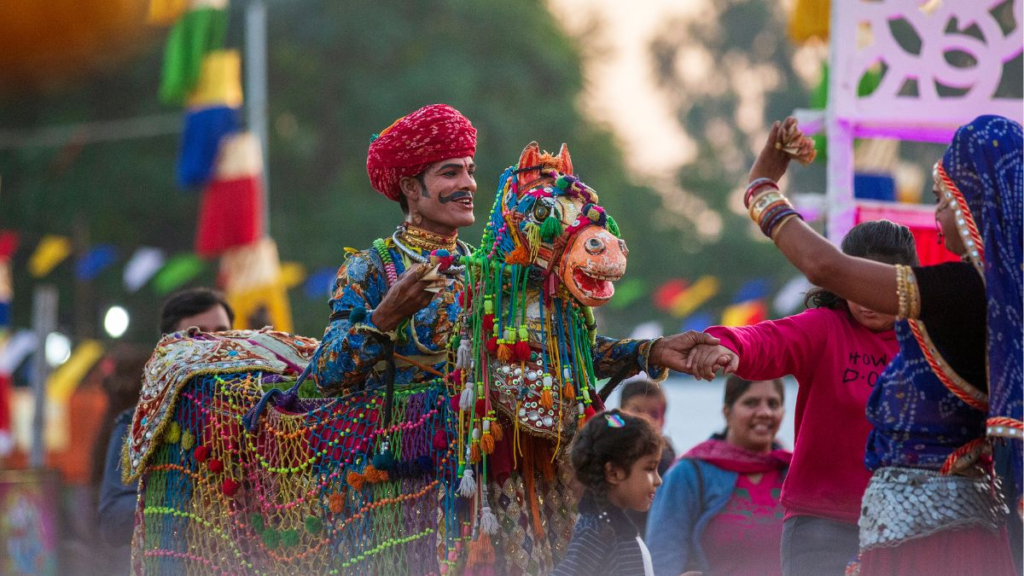
Kachhi Ghodi is a warrior-based Rajasthan dance form performed with decorated dummy horses. It originated from the bandit regions of Shekhawati and narrates tales of local heroes and battles. As a traditional dance of Rajasthan, its energetic movements reflect bravery and pride. Performers wear colorful costumes representing ancient warriors. The rhythmic beats of drums and folk songs bring alive the spirit of Rajasthan dance and music. Kachhi Ghodi remains a famous folk dance of Rajasthan, symbolizing martial traditions and heroic stories deeply rooted in dance Rajasthan culture and regional pride.
Performance Location
Kachhi Ghodi is mainly seen in Jaipur, Shekhawati, and during tourism festivals. It is performed at fairs, marriage ceremonies, and cultural shows, showcasing Rajasthan popular dance traditions. Tourists often enjoy this dance at folk evenings, where performers narrate regional stories through movements and music. Its lively steps and costume designs reflect authentic rajasthan dance and music culture. As a preserved traditional dance of Rajasthan, Kachhi Ghodi continues to enthrall audiences. Whether on village roads or tourist stages, it remains a remarkable part of Rajasthan culture and heritage.
5. Gair: A Spirited Dance of Unity
History and Origin
Gair is a traditional tribal Rajasthan dance form performed during Holi and other festive occasions. Practiced by the Bhil community, it showcases synchronized group movements in circular patterns. As a famous folk dance of Rajasthan, Gair highlights unity, strength, and celebration. The dancers use sticks, creating captivating rhythms that reflect the energy of rajasthan dance and music. Its colorful costumes and spirited choreography make Gair a vital part of dance Rajasthan culture. Passed through generations, it is one of the oldest and most respected traditional dances of Rajasthan styles.
Performance Location
Gair is popular in Jodhpur, Udaipur, and the Mewar region. Festival grounds, community gatherings, and Holi events frequently host this Rajasthan popular dance. Tourists enjoy Gair during cultural showcases, where performers dance joyfully in synchronized circles. It represents authentic rajasthan dance and music, offering a glimpse of tribal traditions. Gair continues to be a cherished famous folk dance of Rajasthan, reflecting the unity of local communities. Whether at village celebrations or major cultural festivals, Gair remains central to dance Rajasthan culture and stands out as a lively rajasthan dance form.
6. Chari: A Dance of Light and Flame
History and Origin
Chari is a unique Rajasthan dance form performed by women balancing brass pots on their heads, often filled with burning cotton. This traditional dance of Rajasthan symbolizes joy, prosperity, and ceremonial traditions. Known for its graceful steps and glowing visuals, Chari beautifully represents Rajasthan culture during wedding rituals and festive gatherings. The rhythmic movements, combined with rajasthan dance and music, create an enchanting experience. This visually stunning famous folk dance of Rajasthan showcases the cultural spirit and artistic heritage passed down through generations.
Performance Location
Chari performances are common in Jaipur, Ajmer, and rural communities. It is widely performed during weddings, celebrations, and tourism events, making it a favorite Rajasthan popular dance. Audiences love watching women balance flaming pots with elegance while following traditional rhythms. The dance also enhances the cultural programs held at hotels and desert camps. Chari remains a symbolic part of Rajasthan dance and music, preserving age-old traditions. Its light-filled visuals make it one of the most mesmerizing famous folk dances of Rajasthan, admired in dance Rajasthan culture.
7. Kathputli: Puppet Dance
History and Origin
Kathputli is one of the oldest Rajasthan dance form traditions, showcasing wooden puppets controlled by strings. This form of storytelling has existed for over a thousand years. As a traditional dance of Rajasthan, it narrates folk tales, heroic legends, and moral stories. Puppeteers combine rajasthan dance and music to create engaging performances. Kathputli is more than entertainment—it represents the roots of dance Rajasthan culture. Its colorful puppets and rhythmic narration make it a timeless famous folk dance of Rajasthan, especially enjoyed by families and children.
Performance Location
Kathputli shows are widespread across Jaipur, Jaisalmer, and Udaipur. Puppet theaters, cultural festivals, and village fairs often feature this Rajasthan popular dance form. Tourists enjoy watching puppeteers bring characters to life using music and dramatic storytelling. The dance remains a crucial part of rajasthan dance and music traditions and is frequently showcased at heritage resorts. As an important element of dance Rajasthan culture, Kathputli preserves ancient stories. It remains one of the most charming folk dances of Rajasthan, loved by audiences worldwide.
8. Chakri: A Circular Dance of Joy
History and Origin
Chakri is a thrilling spinning-based Rajasthan dance form performed by women of the Kanjar community. Known for continuous circular movements, it represents joy, celebration, and traditional entertainment. This traditional dance of Rajasthan features colorful lehengas that flare beautifully during spins. The coordination between spins and Rajasthan dance and music makes Chakri lively and captivating. It is widely considered a famous folk dance of Rajasthan, symbolizing the vibrancy of local communities and the energy of dance Rajasthan culture.
Performance Location
Chakri is frequently performed in Kota, Bundi, and rural areas during celebrations and community events. Cultural programs and folk evenings often highlight this Rajasthan popular dance for its high-energy spins. Tourists enjoy watching performers move in perfect rhythm with traditional beats. Its vibrant flow reflects the beauty of rajasthan dance and music. Chakri remains a beloved traditional dance of Rajasthan, showcasing the liveliness of village traditions. It is one of the most entertaining folk dances of Rajasthan, closely tied to dance Rajasthan culture and festive celebrations.
9. Fire Dance: A Dance with Flames
History and Origin
The Fire Dance is a dramatic rajasthan dance form originating from the Jasnath community. This breathtaking performance involves dancers moving fearlessly with flames, showcasing spiritual strength and belief. As a traditional dance of Rajasthan, Fire Dance highlights rituals linked to devotion and endurance. The rhythmic chants and beats enhance the mystical blend of Rajasthan dance and music. This powerful act stands out as a famous folk dance of Rajasthan, reflecting the deep spiritual roots of dance Rajasthan culture and desert traditions.
Performance Location
Fire Dance is commonly performed in Jodhpur, Barmer, and at desert camps in the Thar region. Tourists witness this astonishing Rajasthan popular dance during cultural nights and festivals. Performers walk on fire, hold flaming props, and dance energetically with traditional rhythms. The intensity of rajasthan dance and music adds to the spiritual atmosphere. The dance remains an unforgettable part of traditional dance of Rajasthan heritage. Fire Dance continues to be a bold and captivating example of famous folk dance of Rajasthan within Rajasthan culture.
10. Terah Taali: A Dance of Devotion
History and Origin
Terah Taali is a devotional Rajasthan dance form performed by the Kamad community. Dancers wear thirteen metallic cymbals tied to their bodies and strike them rhythmically while performing. This sacred performance honors Baba Ramdev and is a key part of the traditional dance of Rajasthan. The combination of devotional songs and synchronized rhythm showcases the essence of rajasthan dance and music. As a spiritual and artistic expression, Terah Taali remains a famous folk dance of Rajasthan, deeply woven into dance Rajasthan culture and traditions.
Performance Location
Terah Taali is mostly performed in Ramdevra, Jodhpur, and parts of western Rajasthan. It is showcased during religious festivals, temple events, and community gatherings, making it a respected Rajasthan popular dance. The devotional rhythm attracts visitors who want to experience authentic spiritual traditions. The musical coordination reflects the purity of rajasthan dance and music culture. As an important part of traditional dance of Rajasthan, it continues to celebrate devotion. Terah Taali remains a treasured famous folk dance of Rajasthan, symbolizing faith in dance Rajasthan culture.
Conclusion
The folk dances of Rajasthan are a vibrant reflection of history, devotion, and tradition. Each rajasthan dance form tells a story through movement, music, and costumes. From the grace of Ghoomar to the power of Fire Dance, these performances preserve the rich heritage of the desert kingdom. As enduring examples of traditional dance of Rajasthan, they keep ancient traditions alive. The harmony of rajasthan dance and music continues to enchant audiences worldwide. Many travelers even explore these cultural performances conveniently with taxi service in jaisalmer, especially during evening folk shows. These famous folk dances of Rajasthan styles are an integral part of dance Rajasthan culture, making them timeless and unforgettable elements of Rajasthan popular dance.
FAQS
What makes Rajasthan’s folk dances unique?
Rajasthan’s folk dances are deeply rooted in local traditions, storytelling, and vibrant cultural expressions passed down through generations. Their costumes, rhythms, and movements reflect the heritage of each community.
Are these folk dances performed during festivals?
Yes, most of these dances are an integral part of major festivals, religious ceremonies, weddings, and cultural events across the state, showing the joyous spirit of the people.
Which communities are known for performing these dances?
Different tribes and communities such as the Bhils, Kalbeliyas, Kanjars, and the Jasnath sect perform distinct dance styles that represent their lifestyle and beliefs.
Can tourists watch these performances easily?
Absolutely. Most tourist destinations in Rajasthan host evening cultural shows, desert camps, and festival programs where visitors can enjoy authentic performances.
Do these dances require special training?
Some forms involve years of practice due to complex movements, balancing skills, or storytelling techniques, while others are learned traditionally within families and communities.
Are musical instruments used in these performances?
Yes, traditional instruments like dhol, nagada, kamayacha, and sarangi often accompany these performances, enhancing their rhythm and emotional impact.