Explore the Unique Flora and Fauna of Desert National Park in Jaisalmer – A Must-Visit in 2026

8 Unforgettable Things to Do in Jaisalmer: Exploring the Golden City
January 17, 2026
Exploring Maharaja Palace Jaisalmer: Royal Grandeur in the Desert
February 20, 2026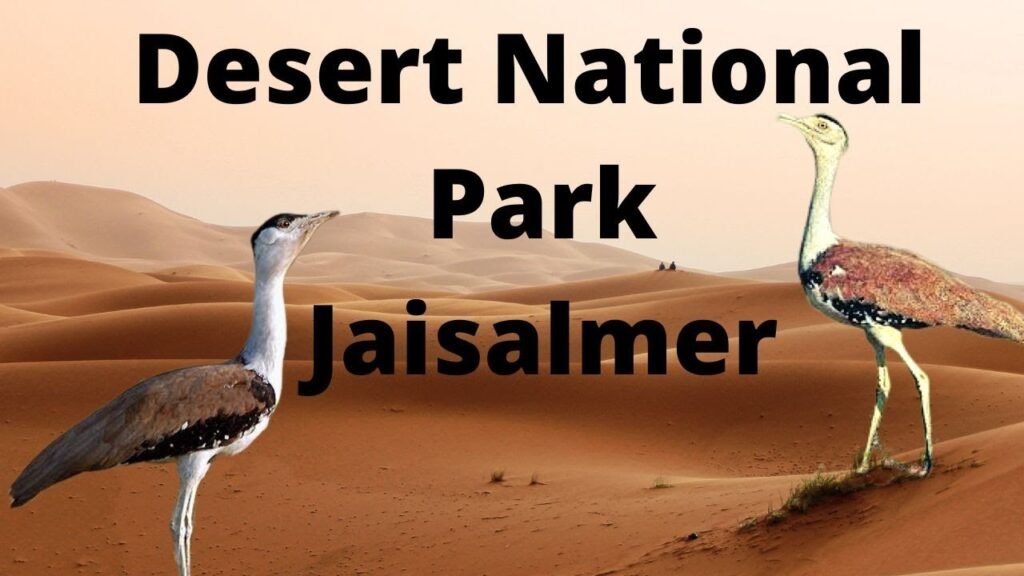
Rajasthan is often associated with majestic forts, golden sand dunes, and vibrant culture, but beyond the historic cities lies a natural treasure that surprises every visitor. Desert National Park in Jaisalmer is one of the most fascinating wildlife destinations in India, offering a rare glimpse into life that thrives under extreme desert conditions. Covering vast stretches of arid land, this protected area stands as a living example of how nature adapts, survives, and flourishes in one of the harshest environments on Earth.
As 2026 approaches, travelers seeking meaningful experiences are turning toward sustainable and nature-based tourism. A visit to Jaisalmer National Park is not just about sightseeing; it is about understanding biodiversity, conservation, and the delicate balance between humans and nature. This comprehensive desert national park guide will help you explore the park’s unique ecosystem, its flora and fauna, safari experiences, and why it deserves a place on your travel list.
Introduction to Desert National Park in Rajasthan
Desert National Park in Rajasthan is located near the India–Pakistan border, close to Jaisalmer city. Spread across thousands of square kilometers, it is one of the largest national parks in the country. Unlike forest-based wildlife reserves, desert national parks showcase a dramatic landscape dominated by sand dunes, rocky terrain, salt lakes, and sparse vegetation.
What makes desert national park in Rajasthan truly special is its ability to support life in extreme temperatures, with scorching summers and cold winters. This park is a haven for wildlife species that have evolved extraordinary survival techniques, making it an ecological marvel.
Unique Landscape of Jaisalmer National Park
The terrain of Jaisalmer National Park is a striking mix of:
- Rolling sand dunes shaped by wind
- Rocky plateaus and gravel plains
- Seasonal saltwater lakes
- Dry riverbeds that come alive during monsoon
This varied landscape plays a critical role in supporting different plant and animal species. The ever-changing desert environment adds to the park’s charm, making every visit a unique experience.
Flora of Desert National Park
Despite its arid appearance, desert national park hosts a wide variety of plant life specially adapted to conserve water and withstand heat.
Key Plant Species Found in the Park
Some of the most notable flora include:
- Sevan grass, which supports herbivores and livestock
- Khejri trees, known for their deep root systems
- Babul and Acacia shrubs, offering shelter to wildlife
- Cactus and thorny bushes, designed to reduce water loss
These plants play a crucial role in stabilizing sand dunes and preventing desertification. The vegetation of Desert National Park in Jaisalmer is the backbone of its ecosystem, providing food and shelter in an otherwise unforgiving climate.
Fauna of Desert National Park in Jaisalmer
The wildlife of desert national park in Rajasthan is both rare and resilient. Animals here have evolved unique behaviors to survive limited water and extreme temperatures.
Visitors may encounter:
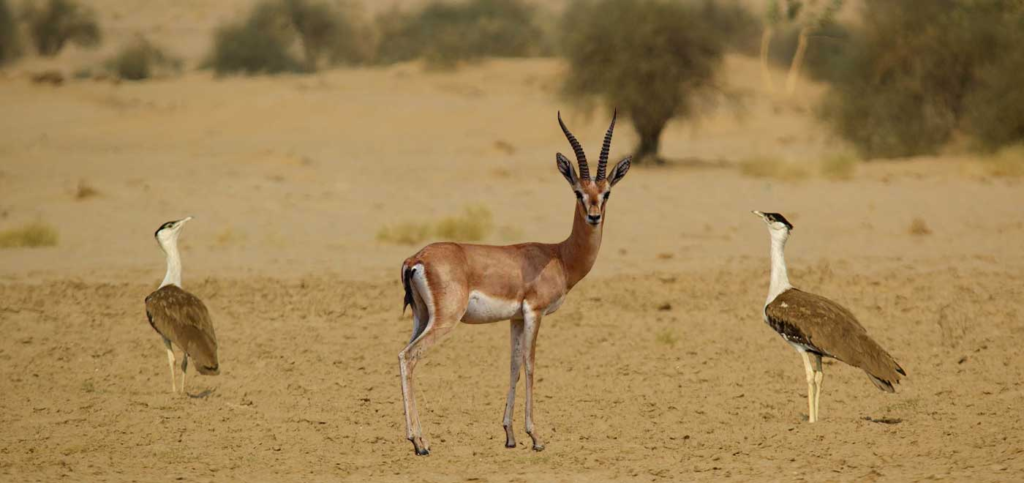
- Chinkara (Indian gazelle), known for its speed and agility
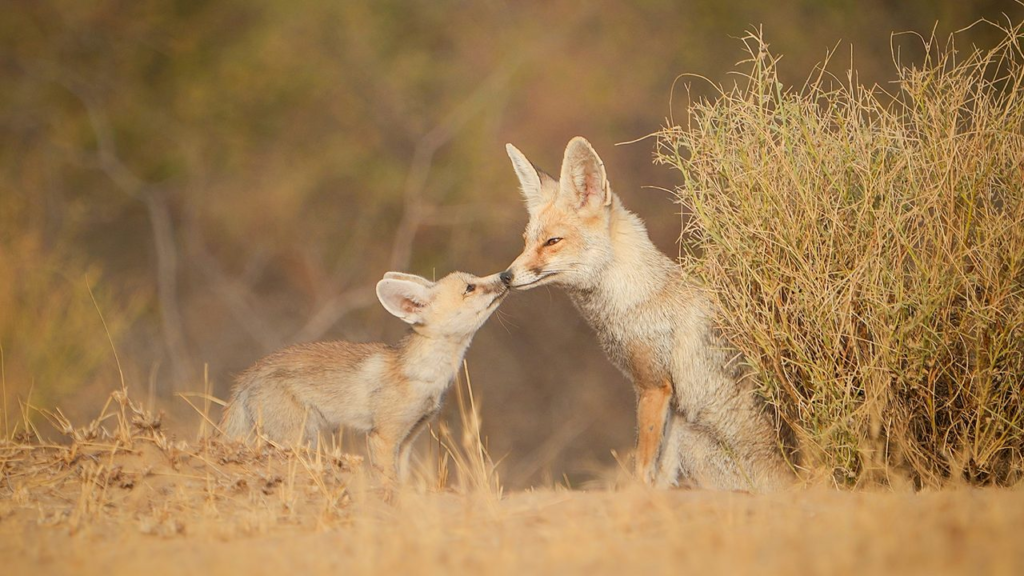
- Desert fox, active mainly during the night
- Indian wolf, a highly adapted predator
- Caracal, a rare and elusive wild cat
These species are masters of camouflage and conservation of energy, making sightings during a desert national park safari especially rewarding.
Reptiles and Small Creatures
Reptiles form an important part of the ecosystem, including:
- Spiny-tailed lizards
- Desert monitor lizards
- Various species of snakes adapted to sand habitats
These creatures regulate insect populations and maintain ecological balance.
Birdlife: A Paradise for Avian Enthusiasts
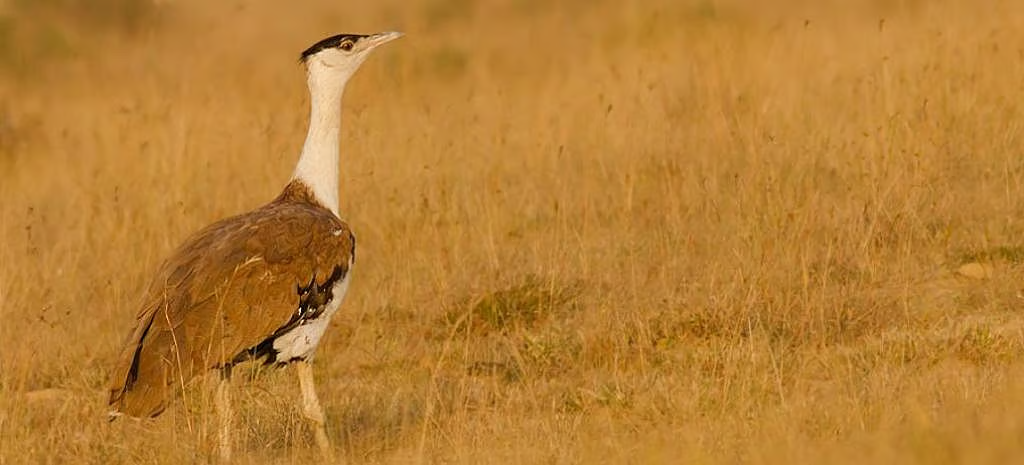
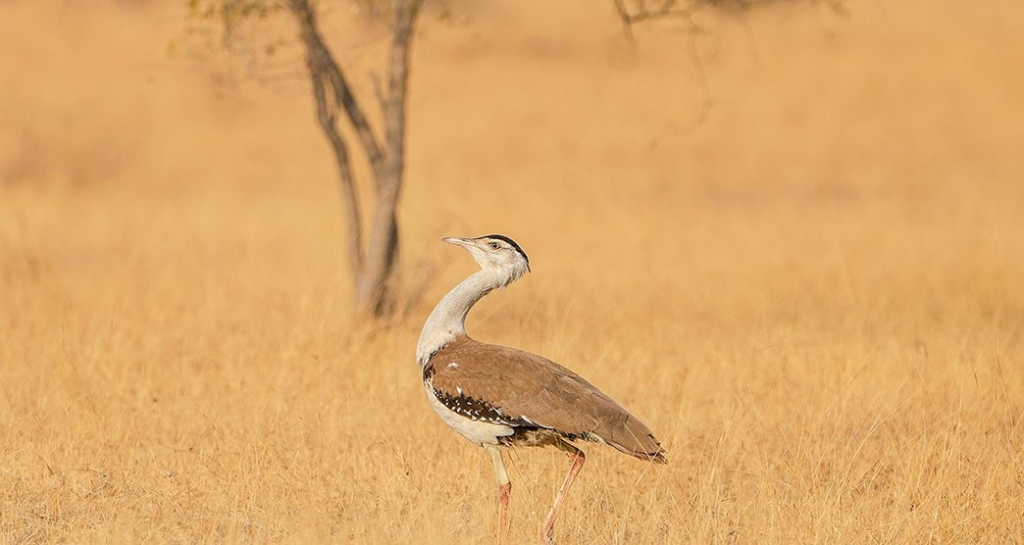
Desert National Park in Jaisalmer is internationally known for its birdlife. It is one of the last remaining habitats of the Great Indian Bustard, one of the world’s most endangered birds.
Other notable bird species include:
- Eagles and vultures
- Falcons and kestrels
- Sandgrouse
- Migratory birds during winter
For birdwatchers, Jaisalmer National Park offers a rare opportunity to observe species that cannot be found anywhere else.
Desert National Park Safari Experience
A desert national park safari is the best way to explore this extraordinary landscape. Conducted in open jeeps, safaris allow visitors to cover large areas while minimizing disturbance to wildlife.
What to Expect During a Safari
- Early morning and evening safaris for optimal wildlife sightings
- Guided tours by trained naturalists
- Opportunities for wildlife photography
- Educational insights into desert ecology
A desert national park safari Jaisalmer experience is both thrilling and informative, offering close encounters with the desert’s unique inhabitants.
Best Time to Visit Desert National Park
The ideal time to visit desert national park in Rajasthan is between October and March. During these months:
- Temperatures are pleasant
- Bird migration peaks
- Wildlife activity increases
Visiting during this season ensures a comfortable and enriching experience.
Understanding Rheumatoid Arthritis
While planning long safaris and outdoor activities, it is essential to be aware of health considerations. Understanding Rheumatoid Arthritis is important for travelers with joint conditions, as desert terrain can be physically demanding.
Rheumatoid arthritis is a chronic condition that affects joints and mobility. Awareness allows travelers to plan activities responsibly and ensure comfort during exploration.
The Critical Role of Blood Tests
For individuals managing health conditions, the critical role of blood tests cannot be overlooked. Blood tests help assess physical readiness, monitor inflammation levels, and ensure safe participation in travel activities such as extended safaris in desert national parks.
What Blood Results Reveal
What blood results reveal is essential for understanding energy levels, immunity, and overall health. Proper medical assessment allows travelers to enjoy experiences like desert national park safari Jaisalmer without unnecessary strain.
Early Detection Makes All the Difference
In both health and conservation, early detection makes all the difference. Just as early medical diagnosis improves quality of life, early wildlife conservation efforts protect endangered species in Jaisalmer National Park and preserve fragile ecosystems.
Why Choose Professional Laboratory Services
Before embarking on long journeys, why choose professional laboratory services becomes a relevant question. Reliable testing ensures accurate health assessments, allowing travelers to confidently explore destinations such as desert national park in Rajasthan.
Conservation Efforts in Desert National Park
Conservation is at the heart of desert national park guide initiatives. The park plays a vital role in protecting endangered species and promoting sustainable tourism.
Key conservation efforts include:
- Habitat restoration
- Anti-poaching measures
- Community involvement
- Research and monitoring programs
Protecting Desert National Park is essential for preserving India’s desert biodiversity.
Responsible Tourism in Jaisalmer National Park
Visitors are encouraged to practice responsible tourism by:
- Avoiding littering
- Maintaining silence during safaris
- Respecting wildlife habitats
- Following park regulations
Responsible travel ensures that desert national park safari experiences remain sustainable for future generations.
Cultural Significance of the Desert Region
The communities living around desert national park in Rajasthan have adapted to desert life over centuries. Their traditions, architecture, and sustainable practices offer valuable lessons in coexistence with nature.
A visit to Jaisalmer National Park often includes interaction with local culture, enriching the overall travel experience.
Why Desert National Park Is a Must-Visit in 2026
With growing awareness of sustainable tourism, desert national park in Jaisalmer stands out as a destination that combines adventure, education, and conservation. It offers:
- Rare wildlife encounters
- Unique desert landscapes
- Meaningful eco-tourism experiences
- Opportunities to support conservation
In 2026, travelers seeking authentic and responsible journeys will find desert national parks to be an unforgettable destination.
Conclusion
Desert National Park in Rajasthan is more than a wildlife reserve; it is a living classroom that teaches resilience, adaptation, and balance. From its remarkable flora and fauna to thrilling safari experiences, Jaisalmer National Park offers something truly unique.
Whether you are a nature lover, photographer, researcher, or conscious traveler, this desert national park guide highlights why the park deserves global recognition. A journey into desert national park safari Jaisalmer is not just a trip into the desert—it is an exploration of life itself, thriving against all odds.
FAQS
Where is Desert National Park located in Jaisalmer?
Desert National Park is located near Jaisalmer in western Rajasthan, close to the India–Pakistan border. It is one of the largest national parks in India and represents the rich desert ecosystem of the Thar Desert.
What makes the flora of Desert National Park unique?
The flora of Desert National Park is specially adapted to survive extreme heat and low rainfall. Plants such as khejri trees, sevan grass, and thorny shrubs conserve water and help stabilize sand dunes, making them vital to the desert ecosystem
Which animals can be seen in Desert National Park?
Desert National Park is home to species like the Great Indian Bustard, chinkara, desert fox, Indian wolf, and various reptiles. These animals have evolved unique survival techniques to thrive in harsh desert conditions.
What is the best time to visit Desert National Park in Jaisalmer?
The best time to visit Desert National Park in Jaisalmer is from October to March. During this period, the weather is pleasant, wildlife sightings are more frequent, and migratory birds can be observed.
What can visitors expect from a Desert National Park safari?
A Desert National Park safari offers guided jeep tours through sand dunes and rocky terrain. Visitors can enjoy wildlife spotting, birdwatching, photography, and learn about desert ecology from experienced naturalists.
Why is Desert National Park a must-visit destination in 2026?
Desert National Park is a must-visit in 2026 due to its rare biodiversity, growing focus on conservation, and sustainable tourism experiences. It provides a unique opportunity to explore Rajasthan’s natural heritage while supporting wildlife protection efforts.